
Manufacturing Execution System (MES)
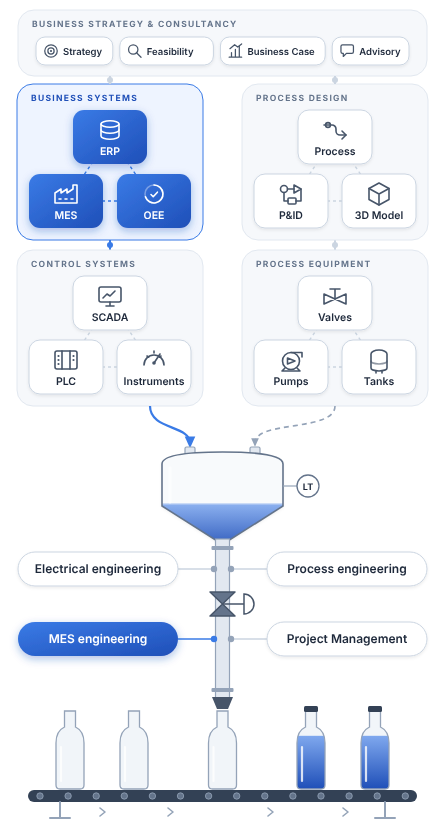
We build modular MES on open platforms such as Ignition: start small with the modules you need (OEE, batch, traceability, reporting) and grow without the cost and complexity of a traditional MES.
MES
MES is a term that is used to encapsulate the broad area of software which focuses on the manufacturing process. This can be further broken up into the areas of Production, Monitoring, Tracking and Reporting. Each of these areas has been implemented for customers by Automation Mechatronics. The key to success in each area is first understanding the customer's needs, and then designing a solution that has inherent cohesion with other parts of the MES. This has been AMI's approach, delivering solutions that are consistent in their code structure and in their interfacing between Devices, PLCs, SCADA and Databases.
Overall Equipment Effectiveness (OEE)
OEE is used to measure the performance of an area/cell/unit in relation to its theoretical max throughput. This is often implemented on critical parts of the plant where suspected bottlenecks may exist. The calculation of OEE is simple; however, the implementation requires an in-depth knowledge of the process and also of where the measurements are required to satisfy the equation. This need to critically analyse the process and the IO where the measurements will originate from often increases the complexity of an OEE system, and if done poorly can present false reporting around OEE as well.
Recipe Management
Recipe Management System
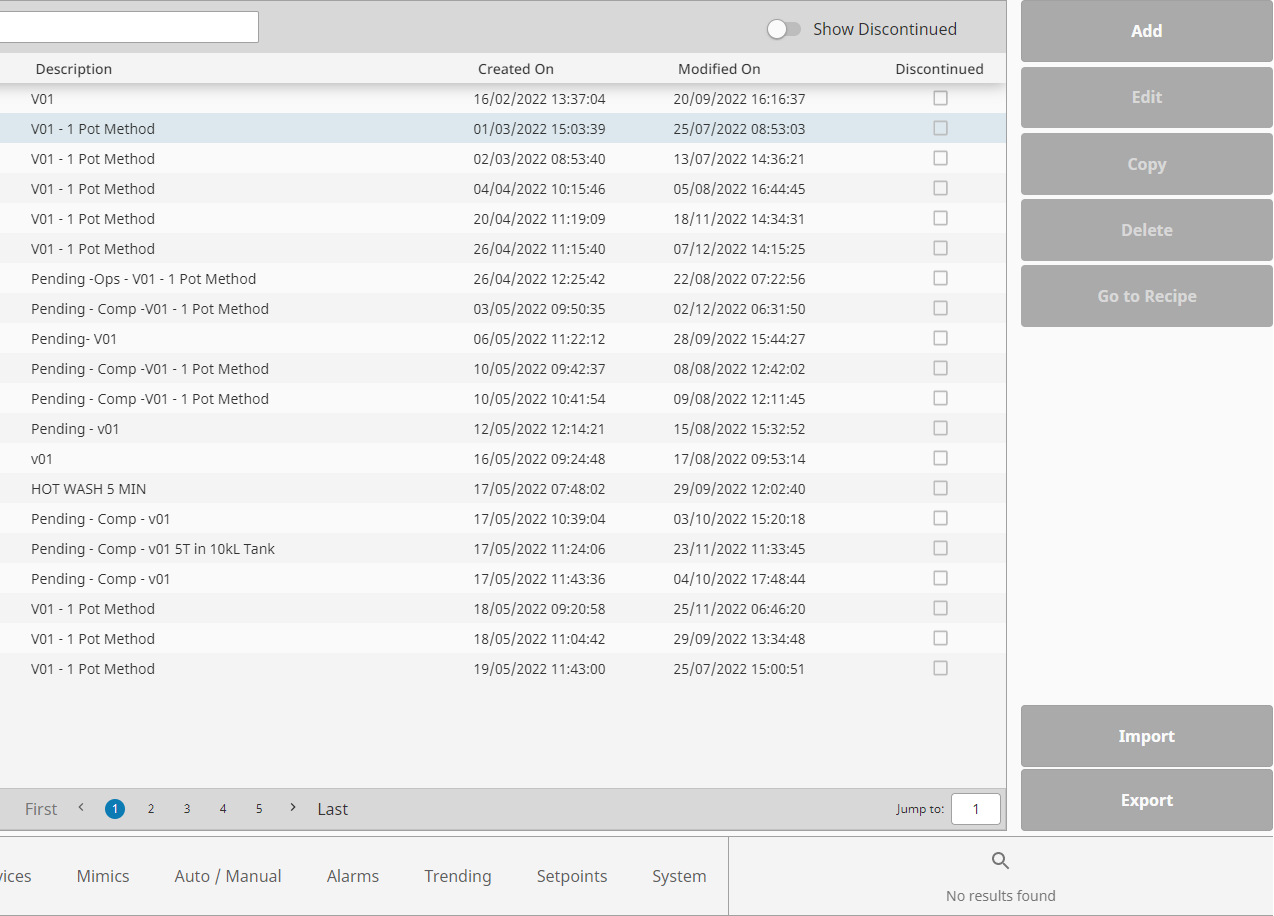
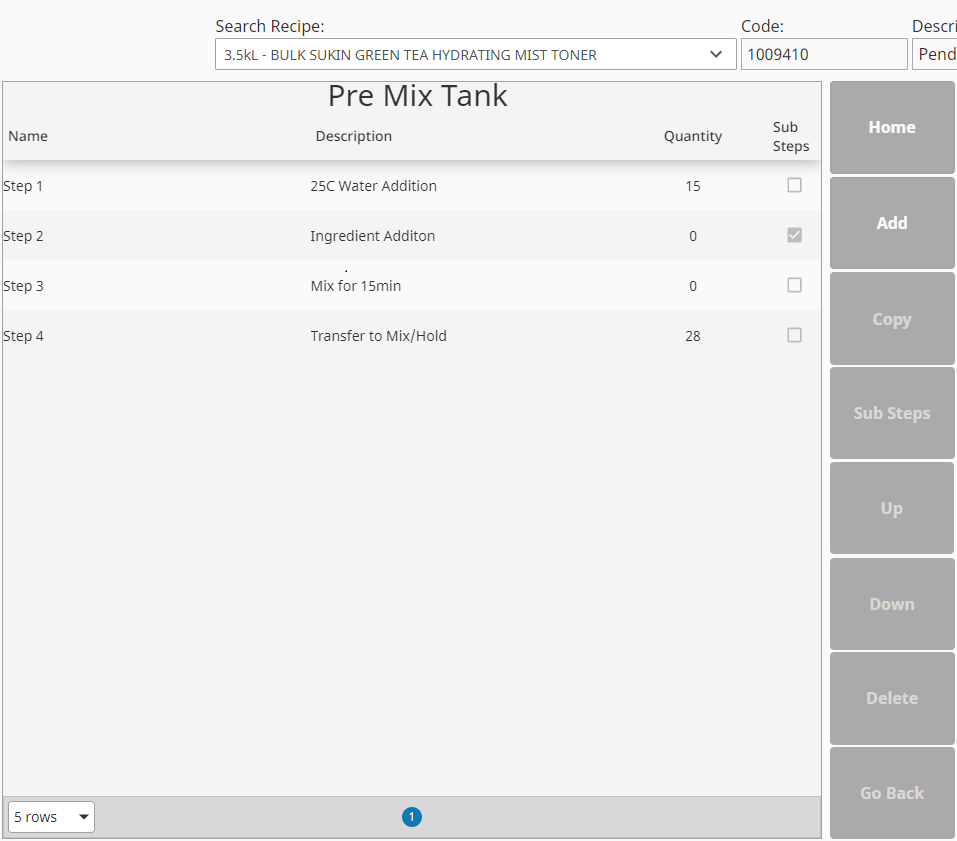
The Recipe System has been implemented on multiple platforms, such as Ignition, Citect, and other web platforms. The Recipe Management follows the ISA-88 model, which outlines guidelines for how to functionally implement batch control. The Recipe Management was designed around ISA-88 guidelines in order to establish a system that can integrate alongside other ISA-88 designed systems. In addition, it allows the PLC and other platforms to adhere to a common standard. The standardisation of data structures (UDTs, classes, tables) within all parts has been key to reducing the software complexity and enabling easy transition between all three parts. The success of the Recipe System has been largely due to this design philosophy, which seeks to simplify and reduce the moving parts within the system as a whole.
Recipe Actions
Recipe Actions are the building blocks of a Recipe. Each Action serves the role of articulating a basic action that needs to be performed in a batch. Actions also support parameters that allow for the reuse of Actions and Recipes across Batches. The parameters can be applied from a Recipe, Action or Location. Configuring or building these actions has in the past been implemented within SCADA systems; however, due to the flexible architecture, this can be implemented from other web-based platforms as well as SCADA platforms.
Reporting
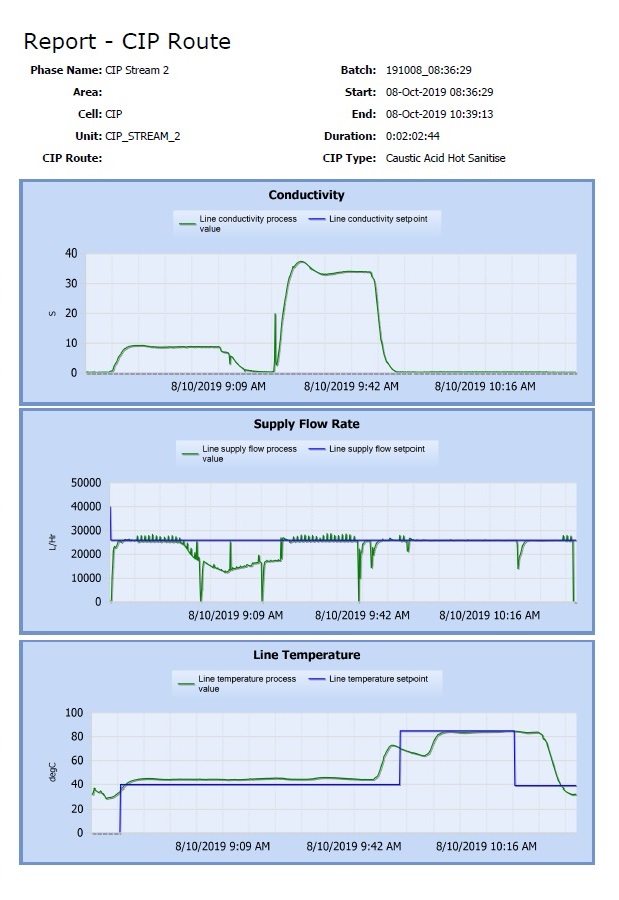
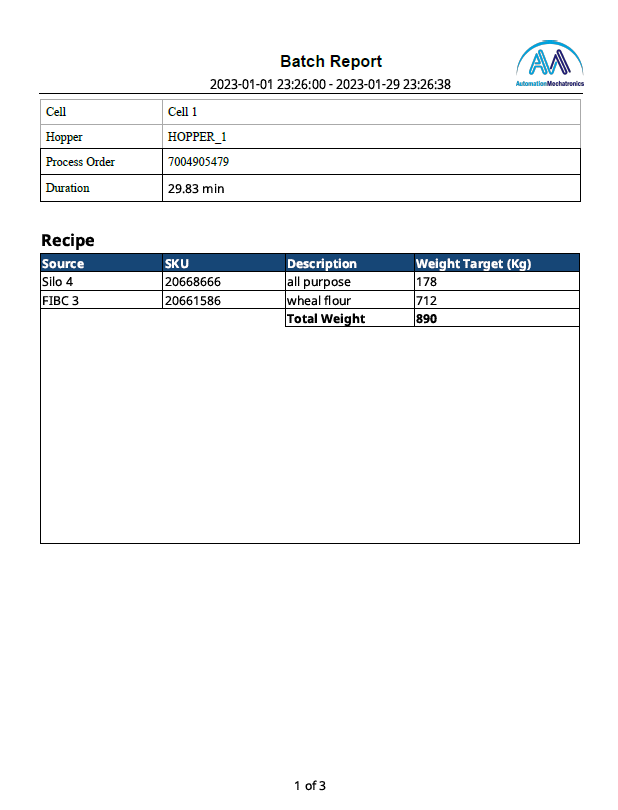
These reports have in the past been developed in SSRS and Ignition Reporting. Each report has the ability to be filtered according to customer needs. When needed, a data warehousing solution can be implemented for long-term aggregations across raw data. This increases the reporting and dashboard performance and reduces overall strain on the reporting system.
Cleaning-In-Place (CIP) Report
The CIP Report captures key metrics such as Conductivity, Supply Flow Rate and Line Temperature throughout the cleaning process. This report is necessary in relation to the QA checks, as it ensures that the cleaning process has been adequately documented and can indicate the root cause of potential issues around the factory.
Batch Report
The Batch Report shows all the information related to Batches, including Batch Recipe, Batch History, and Alarms during the batching process that pertains to the Batch. are the building blocks of a Recipe. Each Action serves the role of articulating a basic action that needs to be performed in a batch. Actions also support parameters that allow for the reuse of Actions and Recipes across Batches. The parameters that are applied can be applied from a Recipe, Action or Location. Configuring or building these actions have in the past been implemented withing SCADA systems, however due to the flexible architecture this can be implemented from other web based platforms as well as SCADA platforms.
Historian
Mainstream Historians
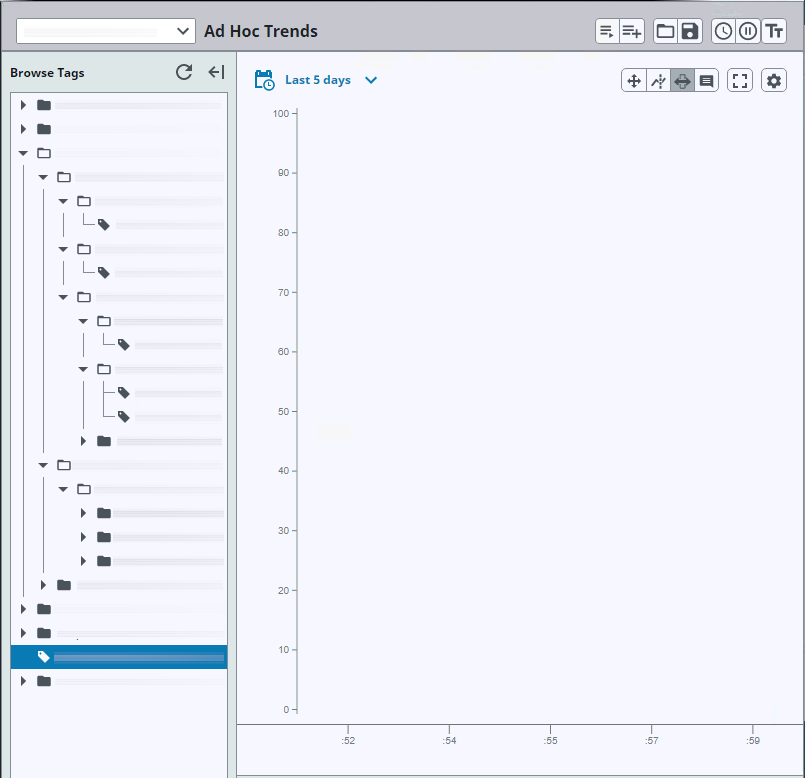
Automation Mechatronics has worked extensively with the mainstream historians developed by Ignition, Citect, Wonderware, and more. We've also built other solutions upon the historian data, such as an aggregation and reporting layer. In addition, we have extended the Historian to an event-driven historical account, such as the one used in the Recipe Management System.
Alarm Management
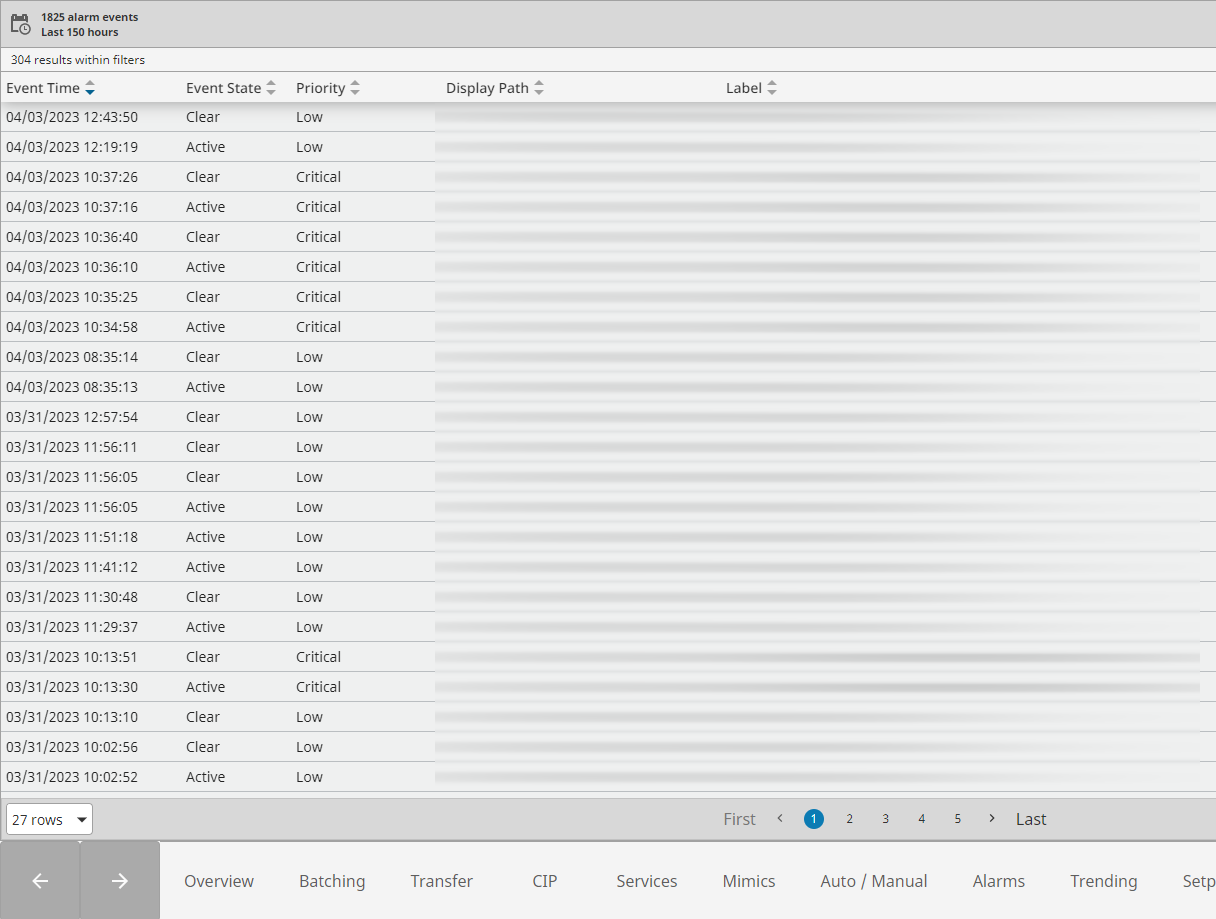
Alarming has been set up for customers using the inbuilt alarming functionality, with these alarms structured around an ISA-95 model. In addition, Automation Mechatronics uses alarm generation tools that allow for quick delivery of alarms and the ability to roll out late changes to the project alarm system. We have also delivered an alarming solution on the Node-RED platform, as well as one that was integrated with our own in-house Historian solution.